The shift toward polymer-based engineering in Australian industrial safety
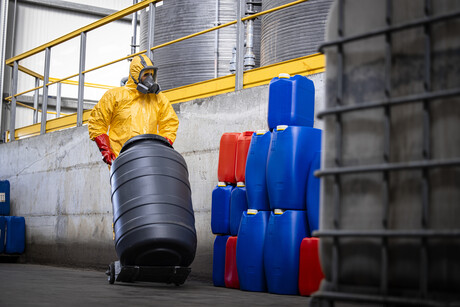
STUART McGILL — Product and Industry Specialist at FSP Oz Products — sets out benefits of polymer-based solutions, including in the storage and handling of hazardous goods, electrical infrastructure, and fire exposure and containment planning.
Corrosion starts eating infrastructure long before damage appears on the surface. A cabinet door still opens. A mounting frame still holds. A junction box still looks stable during inspection rounds, while months of chemical exposure, moisture, heat and salt air continue weakening the structure underneath.
Australian industrial sites are now rethinking the materials used across safety infrastructure because older assumptions no longer match modern operating pressure. Facilities handling chemicals, wastewater, mining operations, food production, transport systems, renewable energy equipment and electrical infrastructure face conditions that punish traditional materials daily. Polymer-based engineering has moved into that gap because it responds differently to corrosion, electrical exposure, washdowns and environmental stress.
This shift is changing how industrial safety gets planned across Australia. Material selection now affects maintenance schedules, fire-exposure planning, electrical separation, operational continuity and worker protection at the same time.
Australian sites now design around corrosion exposure
Australian industrial environments place constant pressure on exposed infrastructure. Coastal regions carry salt-heavy air that accelerates oxidation. Processing plants expose surfaces to chemical splash and vapour residue. Outdoor installations absorb prolonged UV exposure. Washdown routines trap moisture around seams, hinges and mounting points.
That combination creates long-term structural deterioration, even inside equipment that still appears functional.
Safe Work Australia states that hazardous chemicals can create corrosion, fire, explosion and health risks across workplaces handling chemical substances.1 Those conditions directly affect the lifespan and reliability of industrial infrastructure.
This is one reason many facilities have started moving away from relying entirely on painted or coated metal systems in corrosive environments.
The issue extends far beyond appearance.
Corrosion can affect:
- Door alignment
- Emergency equipment access
- Electrical separation
- Structural stability
- Locking systems
- Mounting integrity
- Inspection access
Small failures often stack slowly across months until maintenance teams face a much larger operational problem.
Polymer-based engineering changes how facilities approach material failure
Traditional metal systems usually depend on external coatings for protection. Once coatings crack, chip or degrade, moisture and chemicals begin reaching the material underneath.
Polymer-based systems operate differently because corrosion resistance exists throughout the material itself rather than only on the outer surface.
That difference matters heavily in environments exposed to:
- Chemical handling
- Wastewater processing
- Coastal humidity
- Food manufacturing washdowns
- Fertiliser storage
- Mining operations
- Heavy outdoor exposure
Facilities are now evaluating infrastructure based on operational lifespan instead of focusing only on upfront purchase cost. Repeated replacement cycles create downtime, labour pressure, inspection demands and operational delays that continue for years after installation.
Many industrial planners now view long-term material reliability as a workplace safety issue instead of treating it strictly as a maintenance issue.
Electrical infrastructure is driving faster material changes
Australia’s industrial sector is rapidly expanding electrical infrastructure across transport systems, renewable energy projects, battery storage facilities and automated production environments.
That expansion has increased attention around conductive materials in high-exposure environments.
Metal conducts electricity. Certain polymer-based materials provide non-conductive properties that support electrical separation in areas exposed to moisture or chemical residue. That characteristic has pushed polymer engineering further into industrial electrical planning.
Comcare identifies fire, chemical reaction and corrosion exposure among major workplace chemical concerns.2 When electrical systems operate inside those conditions, infrastructure planning becomes far more demanding.
Facilities now examine several factors together during material selection, including:
- Electrical insulation properties
- Chemical exposure resistance
- UV stability
- Moisture absorption
- Structural performance
- Maintenance frequency
That wider evaluation process is reshaping procurement decisions across Australian industrial projects.
Australian weather punishes weak material decisions fast
Australian environmental conditions create pressure that many imported infrastructure designs fail to anticipate properly.
UV exposure alone can weaken poorly selected materials over time. Remote industrial regions create additional strain because replacement work may involve transport delays, labour shortages, shutdown planning and extended operational disruption.
Coastal exposure creates another layer of pressure.
Salt air speeds up oxidation across exposed metal infrastructure. Once corrosion reaches internal hardware, deterioration often spreads faster around joints, hinges, mounting sections and fasteners.
This has forced many operators to rethink the old habit of selecting infrastructure based mainly on initial cost.
A cheaper installation can become far more expensive after years of corrosion management, repeated inspections, shutdown coordination and replacement work.
That operational reality is one reason polymer-based engineering continues gaining attention across Australian industrial safety planning.
Fire exposure is reshaping industrial material planning
Industrial facilities handling chemicals, fuel systems, combustible dust and electrical equipment now face tighter scrutiny around fire exposure and containment planning.
Material behaviour during extreme heat events has become a larger part of infrastructure discussions.
This includes examining:
- Flame spread characteristics
- Smoke generation
- Structural stability during heat exposure
- Chemical interaction during fire events
- Long-term environmental degradation
Engineers are now evaluating infrastructure through connected operational categories. Fire exposure, chemical resistance, moisture protection and electrical safety influence each other during planning decisions.
That broader approach has shifted attention towards advanced polymer formulations developed for demanding industrial environments.
The discussion has become much more detailed across Australian industrial sectors during the past decade because material failure now carries operational consequences far beyond replacement expense alone.
Maintenance teams are influencing infrastructure decisions earlier
Many maintenance departments have spent years dealing with preventable material deterioration inside aggressive industrial environments.
Corroded frames create alignment issues. Seized hinges slow equipment access. Damaged enclosures complicate inspections. Moisture intrusion affects electrical reliability. Surface degradation increases cleaning demands, while maintenance workloads continue increasing across aging infrastructure.
Those problems consume labour hours continuously.
As a result, maintenance teams are now participating earlier during infrastructure planning and procurement discussions.
That has changed the questions facilities ask before installation begins.
**************************************************
Key questions
Instead of focusing only on upfront pricing, planners increasingly ask:
- How will this perform after repeated washdowns?
- What happens after prolonged UV exposure?
- Can chemicals penetrate vulnerable sections?
- How often will inspection work increase?
- What maintenance pressure develops after five years?
- How difficult will replacement become in remote locations?
Those questions often reshape procurement outcomes completely.
**************************************************
Industrial safety planning has shifted towards failure prevention
Australian industry has gradually moved from reactive infrastructure management towards earlier failure prevention.
That shift affects how facilities approach material selection from the beginning of project planning.
Infrastructure decisions now connect directly with:
- Worker exposure reduction
- Fire containment planning
- Electrical separation
- Chemical handling systems
- Operational continuity
- Inspection access
- Maintenance scheduling
Safe Work Australia continues emphasising chemical risk control through stronger workplace systems, monitoring practices and infrastructure management.3 Material selection now sits inside that wider discussion instead of existing as a separate purchasing decision.
This is one reason polymer-based engineering has expanded across sectors facing aggressive environmental conditions and rising operational pressure.
Facilities are now asking what condition infrastructure will remain in after years of chemical exposure, washdowns, UV exposure, moisture, electrical pressure and operational strain.
That question is changing industrial safety planning across Australia.
Final word
Australian industrial infrastructure is entering a major material transition driven by corrosion exposure, electrical expansion, environmental pressure and tighter operational expectations. Polymer-based engineering has gained momentum because facilities now expect infrastructure to withstand aggressive conditions without creating constant maintenance pressure or increasing operational risk.
This shift reflects a larger change across industrial safety planning. Facilities are placing greater focus on preventing infrastructure failure before exposure develops instead of reacting after deterioration spreads through critical systems. In environments shaped by chemicals, moisture, heat, salt air and electrical exposure, material selection now influences operational stability every single day.
1. Safe Work Australia. Hazardous chemicals. Accessed May 11, 2026. https://www.safeworkaustralia.gov.au/safety-topic/hazards/chemicals
2. Comcare. Chemical hazards. Accessed May 11, 2026. https://www.comcare.gov.au/safe-healthy-work/prevent-harm/chemical-hazards
3. Safe Work Australia. Model Code of Practice for Managing Risks of Hazardous Chemicals in the Workplace. Accessed May 11, 2026. https://www.safeworkaustralia.gov.au/doc/model-code-practice-managing-risks-hazardous-chemicals-workplace
Over two-thirds exposed to a physical or chemical hazard, workers survey reveals
Findings from the 2026 Australian Worker Exposure Survey have been published, providing an...
How technology is improving onsite sanitation and productivity
Portable facilities are increasingly being considered an on-site amenity, contributing not only...
Responder washdown system designed for on-scene protection
A portable washdown system aims to provide emergency responders with at-the-scene protection,...