The crucial role of line managers in managing psychosocial risk
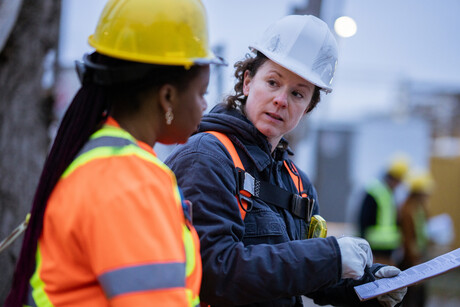
As legal duties expand and workplace expectations evolve, it’s no longer enough for organisations to rely on policy or isolated wellbeing initiatives. They must invest in the people who influence culture most directly: their line managers. Dr GEORGI TOMA and KIRRA SOUTHWELL from Heart and Brain Works explore why the role of line managers is more important than ever, what the law requires, and how to equip them to lead psychologically safer teams.
Line managers sit at the intersection of people and performance. Every day, they shape how work is planned, communicated and experienced — how it feels to show up, speak up and be supported. Increasingly, they also stand on the frontline of managing psychosocial risk.
Why line managers matter more than ever
Work design, team dynamics, workload and recognition: these are some of the key levers that influence psychological health at work. And they sit largely in a line manager’s hands.
Managers influence how work is distributed, how change is communicated and how concerns are addressed, or overlooked. Their leadership style, emotional intelligence and responsiveness to early warning signs can either reduce risk or exacerbate it.
Yet many managers are under strain themselves. Our psychosocial risk audits consistently show that line managers experience high workloads, cognitive overload and emotionally demanding roles, often without adequate training, support or clarity about how to manage psychosocial hazards effectively.
The legal and regulatory shift
Across Australia, psychosocial risk management has moved from a best-practice recommendation to a legally enforceable obligation. Under WHS and OHS laws, employers must now identify and manage psychosocial hazards with the same diligence as physical risks.
Recent developments include:
- The model Code of Practice: Managing Psychosocial Hazards at Work, adopted or adapted across all harmonised jurisdictions.
- Victoria’s Occupational Health and Safety Amendment (Psychological Health) that came into effect from 1 December 2025, which introduces specific duties to control psychosocial risk.
- A growing body of legal cases showing that failure to act on known psychosocial hazards can result in serious financial and reputational consequences.
These frameworks place responsibility not only on the organisation as a whole but also on individuals — especially managers — who shape daily working conditions.
Legal lessons: what happens when we get it wrong
Several recent court cases in Australia highlight the consequences of failing to manage psychosocial hazards:
- Mathews v Winslow Constructors — $1.3 million awarded due to prolonged bullying and harassment, and a failure to act.
- Court Services Victoria — $379,000 awarded following exposure to traumatic content, high demands and toxic culture.
-
Elisha v Vision Australia — nearly $1.5 million awarded for psychiatric injury linked to poor management response and breached duty of care.
In each case, the hazards were known but left unaddressed. Early signs were missed or dismissed. Patterns of harmful behaviour continued unchecked. These weren’t isolated failures, they were systemic issues in culture and capability.
What good looks like
Line managers aren’t expected to be mental health professionals. But they are expected to:
- Understand what psychosocial hazards are.
- Recognise when work is becoming harmful (eg, whether due to high workload, poor change processes or interpersonal conflict etc.).
- Regularly check in with their teams and notice early signs of stress.
- Take reasonable steps to reduce and report risks.
- Implement practical control measures as part of everyday team leadership.
When managers are trained and empowered to do this well, they become a powerful early intervention. When they’re not, psychosocial risks are overlooked, leading to preventable harm, disengagement and even litigation.
**************************************************
What organisations can do
To build confidence and capability among line managers, organisations should:
- Train managers on psychosocial hazards, legal obligations and practical controls.
- Embed capability frameworks into WHS, leadership and performance systems.
- Assess manager confidence and behaviour through surveys, 360 feedback or audit tools.
- Resource managers properly, giving them time, tools and clear escalation pathways.
-
Align expectations across HR, WHS and leadership to reinforce consistency.
Line managers are not just implementers of policy. They are culture carriers, risk mitigators and frontline influencers of psychological safety. Their ability to connect with their teams and act early makes them one of the most powerful — and often underutilised — levers for preventing harm.
**************************************************
222 in 2025 — "confronting" data reveals highest annual worker fatalities since 2012
Safe Work Australia has published the Key Work Health and Safety Statistics Australia 2026,...
Hospital trials paid worker exercise
Around 100 Nepean Hospital workers will take part in a 12-month trial, involved in activities...
Five emerging transport leaders create utilities digital platform solution
The team set out to solve one of construction's most persistent problems: accessing accurate...