New model Code of Practice published for managing silica dust risks
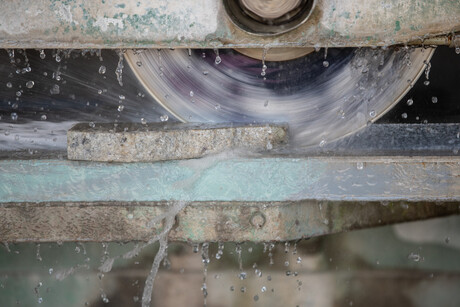
Serious health conditions like silicosis and lung cancer can come from breathing in respirable crystalline silica (silica dust). All silica-related diseases are preventable by eliminating or minimising exposure to silica dust, which is generated when processing material containing silica, for example by cutting, sanding or polishing.
To help protect workers from silica dust, a new model Code of Practice for managing risks of respirable crystalline silica in the workplace has been published by Safe Work Australia (SWA). The model Code of Practice gives employers practical information on how to comply with the WHS regulations to manage risks of silica dust.
Primarily intended for PCBUs, sections of the model Code of Practice include:
- Work health and safety duties
- Identifying and managing risks from respirable crystalline silica
- Additional requirements when processing crystalline silica substance that is high risk
- Maintaining and reviewing control measures
- How does this Code apply to engineered stone?
The model Code of Practice is available here, via the SWA website. Also via the SWA website, more information on silica is available here.
A model Code of Practice must be approved as a code of practice within a jurisdiction to have legal effect in that jurisdiction. Contact your WHS regulator for details about the requirements for silica in your jurisdiction.
Lead dust exposure during power station decommissioning results in $60K fine
Respiratory protection to prevent inhalation of lead dust, such as full-face respirators, was not...
Safe Work Australia publishes three airborne contaminants guides
The guides are to help workplaces manage exposure and prepare for the 1 December 2026 transition...
$90K fine after grout gun left apprentice with 5% vision
The young adult apprentice was not provided with adequate personal protective equipment and...