Lead dust exposure during power station decommissioning results in $60K fine
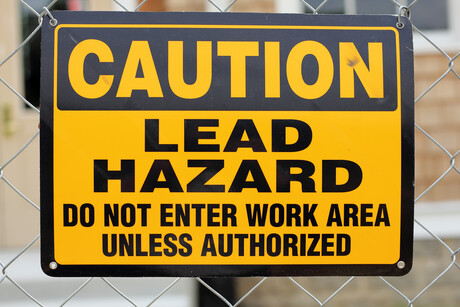
A company has been fined $60,000 after workers were exposed to lead during decommissioning works at a power station. The offence occurred between October 2022 and April 2023 when, as part of the works, large quantities of paper insulated lead covered (PILC) cables were required to be de-energised, cut and removed.
It was a process of cable removal that involved cutting the cables into one-metre lengths and placing them into drums for disposal, and generated dust and debris, including lead dust. PPE including long sleeves, long pants, boots, safety glasses, hard hats and gloves was provided to workers undertaking the task.
Respiratory protection to prevent inhalation of lead dust, such as full-face respirators, was not provided, however. April 2023 testing conducted identified the presence of lead in workplace dust, with subsequent testing of workers finding that five employees had elevated blood lead levels.
Work ceased on 11 April 2023. Before work resumed, the company implemented additional controls, including the provision of full-face respirators and disposable coveralls. For failing to comply with a health and safety duty, the company was charged with a Category 3 offence under section 33 of the Work Health and Safety Act 2012.
Following a SafeWork SA prosecution, the company pleaded guilty and was sentenced in the South Australian Employment Court on 7 August. A conviction was recorded and the company was also ordered to pay SafeWork SA’s costs of $2640.
“Removing and cutting up large quantities of paper insulated lead covered cables should have been an obvious source of the risk of lead exposure needing to be addressed,” Deputy President Judge Crawley said in his sentencing remarks. “Risk assessment protocols are only as effective as the way in which they are implemented.”
SafeWork SA Executive Director Glenn Farrell said:
“Lead exposure remains a significant workplace health risk, particularly during demolition, decommissioning and maintenance activities where hazardous materials may be disturbed.
“This case demonstrates the importance of thorough hazard identification and risk assessment processes for known materials that are known to cause harm. Employers must ensure all foreseeable sources of hazardous exposure are identified, and appropriate controls are implemented before work begins.
“Where lead hazards are present, workers must be provided with suitable protective equipment and safe systems of work to minimise exposure. Effective safety management depends not only on having systems in place, but on correctly identifying and addressing workplace risks before workers are put in harm’s way.”
Safe Work Australia publishes three airborne contaminants guides
The guides are to help workplaces manage exposure and prepare for the 1 December 2026 transition...
$90K fine after grout gun left apprentice with 5% vision
The young adult apprentice was not provided with adequate personal protective equipment and...
Australian CDC provides doctors with updated silica dust guidance
Outlining best practices for health assessments and monitoring, it spans available evidence,...