Innovative textiles can help lower temperature inside a helmet
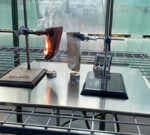
Temperatures inside motorcycle helmets and headgear such as construction hardhats can be lowered by up to 9°C using innovative textile materials, according to findings by RMIT University's scientist Dr Sinnappoo Kanesalingam. The innovation is claimed to benefit people who live and work in northern Australia and tropical countries, reducing heat stress and making headgear more comfortable to wear. Dr Kanesalingam found that by using innovative textiles, such as polymeric water absorbent textile (PWAT) materials and phase change materials (PCM), to line motorcycle helmets, the temperature inside the helmet can be lowered.
"The PWAT material provides a drop in temperature of 8 to 9°C within the helmet, while PCM gives temperature drops of 3 to 4°C," he said.
"Temperatures inside motorcycle helmets and headgear such as construction hardhats can be lowered by up to 9°C using innovative textile materials. A low-weight, non-toxic, environmentally friendly textile helmet liner consisting of replaceable inserts, made of either PWAT or PCM, can be incorporated within the helmet without modifying existing helmet designs. The liner can also be used in new helmets and can be adapted to use in other areas such as construction sites, where helmets are mandatory," he said.
A large number of motorcycle accidents occur in tropical countries, where the motorcycle is an affordable mode of quick transport. In most of these accidents head injuries are the most prevalent, because either motorcycle helmets aren't worn or are worn only reluctantly to comply with traffic laws.
"In tropical countries, helmets are often perceived as uncomfortable and restrictive to use, so finding a solution to this problem to minimise head injuries in accidents was important," he added.
Lead dust exposure during power station decommissioning results in $60K fine
Respiratory protection to prevent inhalation of lead dust, such as full-face respirators, was not...
Safe Work Australia publishes three airborne contaminants guides
The guides are to help workplaces manage exposure and prepare for the 1 December 2026 transition...
$90K fine after grout gun left apprentice with 5% vision
The young adult apprentice was not provided with adequate personal protective equipment and...